Your Trusted Orthodontist in Hamilton and Brantford
Why Wearing Elastics as Directed Is Essential for Successful Orthodontic Treatment
By Dr. Shakti Singh | Orthodontist in Hamilton & Brantford
Introduction
If you’re undergoing orthodontic treatment with braces or Invisalign, you’ve likely been asked to wear elastics (rubber bands) at some point. These small, stretchy bands might not look like much — but they play a huge role in helping your teeth and bite align properly. At Smiles in Motion Orthodontics, we remind our Hamilton and Brantford patients that wearing elastics exactly as directed is one of the most important parts of your orthodontic journey. Without them, treatment can stall — or even move backward.
1. What Elastics Actually Do
Elastics are used to correct the way your upper and lower teeth fit together — your bite. While braces and aligners move teeth within each arch, elastics connect the upper and lower teeth to help fix issues like:
- Overbite (top teeth too far forward)
- Underbite (bottom teeth too far forward)
- Crossbite or open bite
- Midline corrections
They apply gentle, continuous pressure that helps guide your jaw and teeth into a balanced position.
2. Elastics Only Work When Worn Consistently
The pressure from elastics must be constant to be effective. When you forget to wear them or remove them too often, that force disappears — and your teeth begin to shift back. That’s why orthodontists recommend wearing elastics full-time, except when eating or brushing. Even skipping a few hours a day can slow down your progress and extend your overall treatment time. Think of it like exercise — consistency builds results, while breaks reset your progress.
3. Missing Elastics = Delayed Results
When elastics aren’t worn as prescribed, patients often notice:
- Longer treatment time
- Teeth not fitting together properly
- Increased discomfort when restarting elastics after a break
In short: wearing elastics = faster, smoother results. Skipping them means more months in braces or aligners.
4. Elastics with Braces vs. Invisalign
Braces:
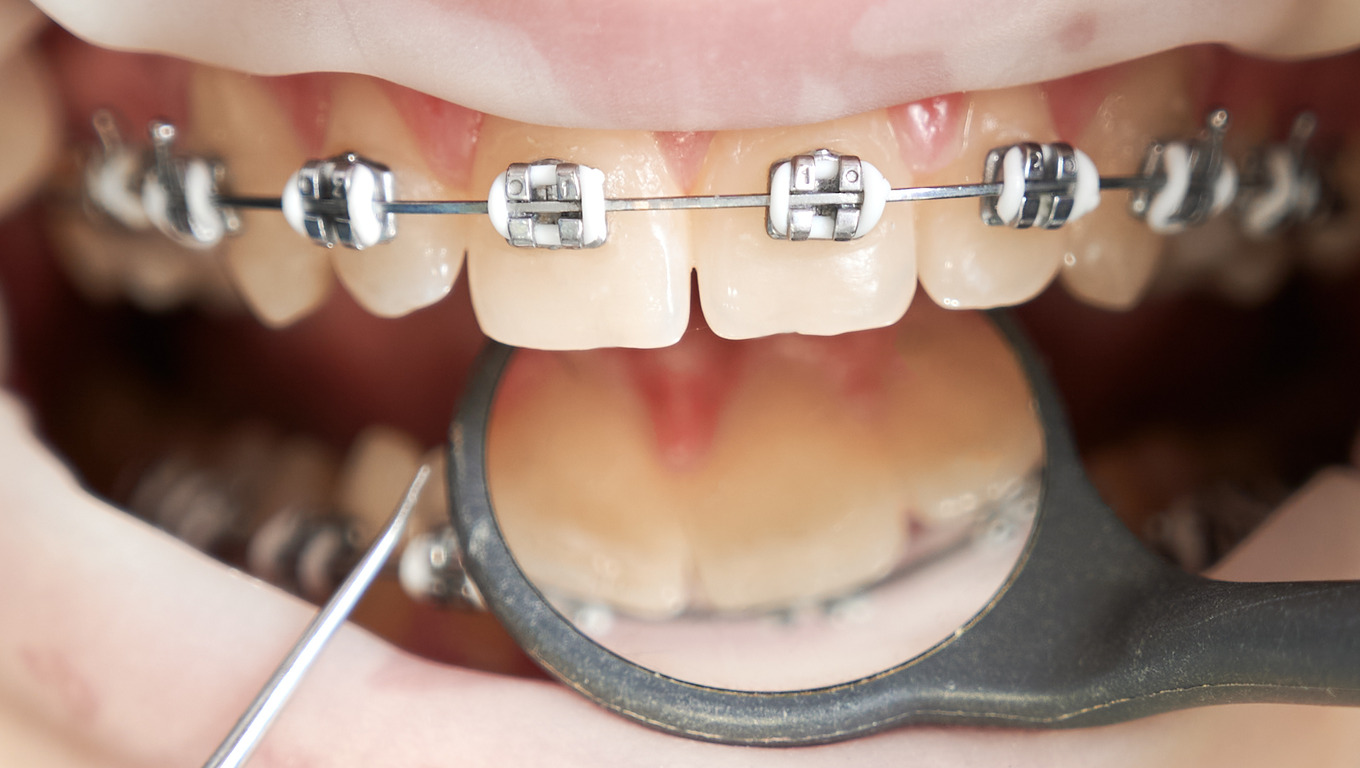
Elastics are typically hooked onto small brackets or hooks on your braces. They help coordinate upper and lower teeth for an ideal bite. Remember: Always replace them every 12–24 hours, since the elastic strength weakens over time.
Invisalign:
For Invisalign, small attachments or precision cuts are placed on certain teeth so elastics can connect the upper and lower aligners. The same rule applies — wear them exactly as instructed to help align your bite correctly and complete treatment efficiently.
5. Tips to Stay on Track with Your Elastics
- Always carry extra elastics with you
- Change them daily (or as advised)
- Don’t “double up” elastics — it won’t make teeth move faster
- Set reminders on your phone or Invisalign app
- Replace broken elastics immediately
If you ever lose your bag of elastics or forget which teeth they hook onto, call our office — we’re happy to help you get back on track.
6. The Reward: A Perfect, Functional Smile
Wearing your elastics faithfully ensures that your teeth not only look straight but fit and function properly when treatment is complete. At Smiles in Motion Orthodontics, we design every treatment plan to give you a healthy bite and confident smile — but your cooperation with elastics is what makes it all possible.
Conclusion
Elastics may be small, but they have a big job. Wearing them exactly as prescribed is one of the most important things you can do to ensure your braces or Invisalign treatment finishes successfully and on time. If your elastics ever feel uncomfortable or you’re unsure how to wear them, our team at Smiles in Motion Orthodontics in Hamilton and Brantford is here to guide you. Together, we’ll help you achieve your best smile — efficiently, comfortably, and beautifully.