Your Trusted Orthodontist in Hamilton and Brantford

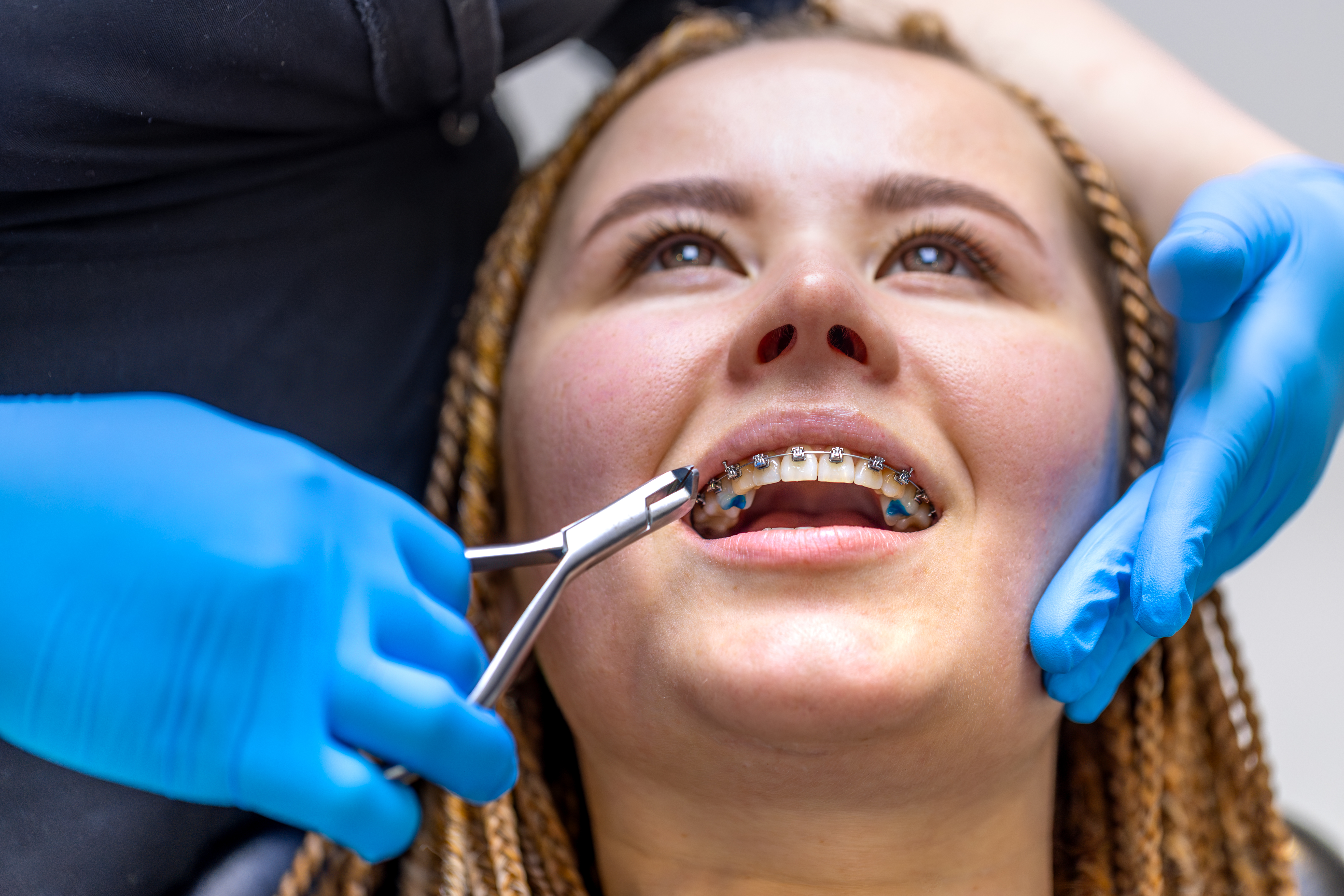
Why Retainers Need to Be Replaced Over Time — and What to Do If Yours Breaks
By Dr. Shakti Singh | Orthodontist in Hamilton & Brantford
Introduction
You’ve worked hard to achieve your beautiful smile with braces or Invisalign — and your retainers are the key to keeping it that way. But did you know that retainers aren’t designed to last forever? At Smiles in Motion Orthodontics, we remind our patients in Hamilton and Brantford that both removable and permanent retainers need regular maintenance — and sometimes replacement — to ensure your teeth stay perfectly aligned for life.
1. Retainers Experience Wear and Tear Over Time
Just like any dental appliance, retainers are subject to daily use, cleaning, and handling — all of which take a toll over time. Removable retainers, especially clear plastic types, can stretch, warp, or crack after a few years. Fixed (bonded) retainers can weaken, bend, or detach from one or more teeth. Even with excellent care, these changes are normal and expected. That’s why orthodontists recommend routine retainer checks and replacement every few years, depending on wear.
2. Why Removable Retainers Should Be Replaced Every Few Years
Clear removable retainers (like Vivera® or Essix-style) are made from thin, flexible plastic. Over time, they can:
- Lose their tight fit due to gradual stretching
- Crack or discolor from daily wear and cleaning
- Trap bacteria if microscopic scratches develop
- Become less effective at holding teeth in perfect alignment
When a retainer no longer fits snugly or feels loose, it’s time for a replacement. Wearing an ill-fitting retainer is just as risky as not wearing one — because your teeth can start shifting. Keep your old retainer as a backup until you receive a new one.
3. Permanent (Fixed) Retainers Can Break Too
Fixed retainers — thin wires bonded behind your teeth — are great for maintaining alignment, but they’re not indestructible. They can:
- Detach from one or more teeth
- Bend or distort from biting into hard foods
- Collect plaque and calculus if not cleaned carefully
- Loosen slowly without being noticed
If a permanent retainer breaks or comes loose, your teeth can start moving quickly — often within days. That’s why we recommend routine orthodontic checkups to ensure your retainer is still intact and doing its job.
4. The Importance of Regular Retainer Checkups
Even if everything feels fine, it’s important to have your retainers evaluated every 1–2 years. At Smiles in Motion Orthodontics, we check for:
- Cracks, warping, or loss of fit (for removable retainers)
- Loose bonding or wire damage (for fixed retainers)
- Signs of plaque accumulation or gum irritation
A quick visit can prevent bigger problems — and protect the investment you made in your orthodontic treatment.
5. What to Do If Your Retainer Breaks or Feels Loose
If your retainer cracks, feels loose, or doesn’t fit properly:
- Stop wearing it immediately if it feels tight or painful.
- Call our office as soon as possible for an assessment.
- Bring the damaged retainer with you to your appointment.
We’ll determine whether it can be repaired or if a new one should be made to prevent unwanted tooth movement.
6. Think of Retainers as Long-Term Smile Insurance
Your retainers are like insurance for your orthodontic results. Replacing them every few years — and repairing or re-bonding permanent ones when needed — ensures that your smile stays exactly how it was the day your treatment ended. This small, periodic investment helps you avoid expensive and time-consuming retreatment in the future.
Conclusion
Retainers work hard to keep your smile in place — but they don’t last forever. Both removable and permanent retainers need maintenance, replacement, and sometimes repair over time. If your retainer feels loose, cracked, or uncomfortable, or if your bonded wire has detached, contact Smiles in Motion Orthodontics in Hamilton or Brantford right away. We’ll help you replace or repair it quickly — so your smile stays perfectly aligned for life.